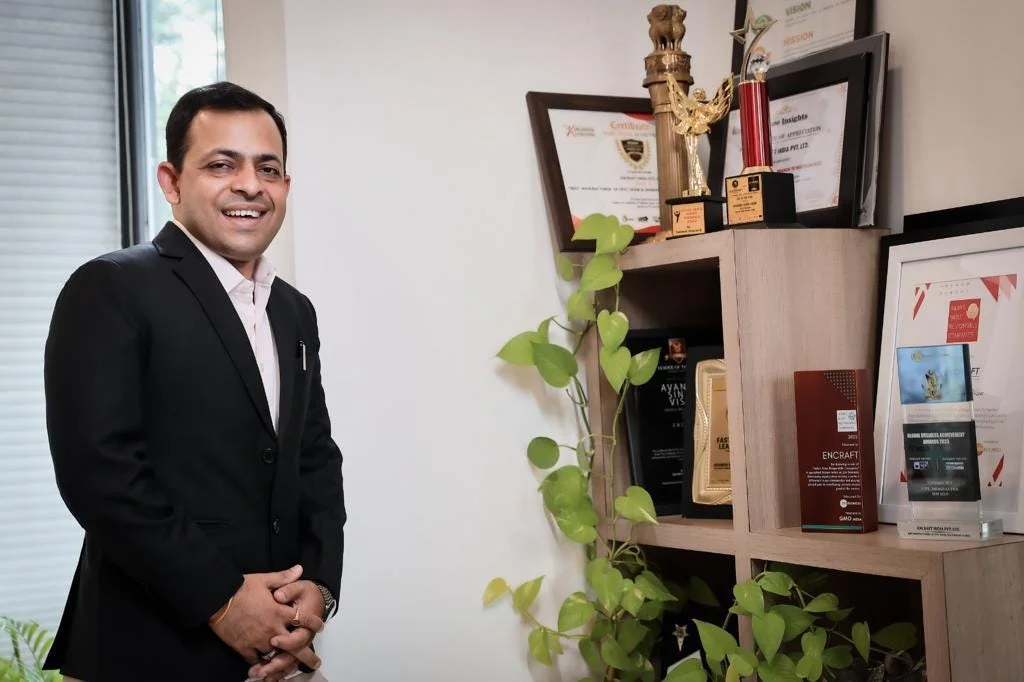
Director & CEO’s Leadership Lessons from Avanish Singh Visen: What Every Young Professional Should Learn in 2026
In 2026, leadership is no longer defined by hierarchy, titles, or authority alone. It is defined by vision, resilience, emotional intelligence, and the ability to create sustainable impact. In a rapidly evolving business landscape, young professionals are seeking role models who embody modern leadership—leaders who balance ambition with responsibility and growth with values.
One such example is Avanish Singh Visen, whose leadership journey offers powerful insights for the next generation of professionals. His approach combines strategic clarity with human connection, performance with purpose, and growth with sustainability. For young professionals navigating competitive industries, there are invaluable lessons to learn.
1. Vision Is the Foundation of Leadership
One of the most defining traits of strong leadership is the ability to see beyond the present. Great leaders do not merely manage operations—they shape direction.
Avanish Singh Visen’s leadership reflects a forward-thinking mindset, where long-term strategy is prioritized over short-term gains. For young professionals, this translates into an important lesson:
- Do not just focus on tasks—understand the bigger picture.
- Align your daily work with long-term goals.
- Think strategically, not reactively.
In 2026, professionals who develop vision-oriented thinking will stand out as future leaders.
2. Growth Must Be Sustainable, Not Just Fast
In today’s business environment, rapid growth is celebrated. However, sustainable growth is respected. Leadership today demands responsibility—toward people, the environment, and long-term value creation.
A key lesson to learn is that success should not compromise integrity or stability. Instead, growth should be:
- Structured
- Measured
- Responsible
- Long-term driven
Young professionals should understand that true leadership is not about chasing quick wins, but about building something that lasts.
3. People Are the Real Strength of Any Organization
Modern leadership is deeply people-centric. No strategy, technology, or innovation can substitute the power of a motivated team.
Strong leaders invest in their people. They listen. They empower. They build trust. They create environments where individuals feel valued and inspired to perform at their best.
For young professionals, this means:
- Learn to collaborate, not compete destructively.
- Respect every team member, regardless of position.
- Develop communication and empathy skills.
Leadership is not about control—it is about influence and inspiration.
4. Discipline and Consistency Build Credibility
In 2026, credibility is currency. Leaders are observed closely—not just for what they say, but for what they consistently do.
Professional discipline, ethical behavior, punctuality, and reliability form the backbone of leadership. Young professionals often focus on creativity and ambition, but discipline is what sustains progress.
Consistency in effort builds trust. Trust builds authority. Authority builds leadership.
5. Adaptability Is a Non-Negotiable Skill
The business world is evolving at an unprecedented pace. Technology, automation, AI integration, and global competition are reshaping industries.
Effective leadership demands adaptability:
- Openness to new ideas
- Willingness to learn
- Ability to pivot when required
Young professionals must cultivate agility. The ability to adapt without losing core values is what defines resilient leadership.
6. Emotional Intelligence Is as Important as Intelligence
In modern workplaces, emotional intelligence often matters more than technical expertise.
Leadership is about understanding people, managing conflicts gracefully, and maintaining composure during challenges. Emotional intelligence helps leaders:
- Make balanced decisions
- Navigate pressure
- Maintain team morale
Young professionals should invest in self-awareness, patience, and emotional control. These qualities distinguish managers from leaders.
7. Lead by Example, Not by Position
One of the strongest leadership principles is leading by action. Titles may grant authority, but behavior earns respect.
When leaders demonstrate dedication, humility, and work ethic, teams naturally align with their standards. For young professionals, the takeaway is simple:
- Take initiative without waiting for recognition.
- Own responsibility.
- Be accountable for outcomes.
Leadership begins long before you hold a formal leadership title.
8. Balance Ambition with Integrity
Ambition fuels progress. Integrity sustains it.
In 2026, reputation is fragile. One misstep can impact years of hard work. True leadership requires maintaining ethical standards even under pressure.
Young professionals must understand that:
- Integrity builds long-term credibility.
- Transparency builds trust.
- Ethical decisions build sustainable success.
A leader’s character defines their legacy.
9. Celebrate Success, But Stay Grounded
Leadership also involves humility. Recognizing achievements without becoming complacent is an art.
Success should inspire gratitude, not arrogance. It should motivate teams to aim higher, not settle.
For young professionals, the lesson is to remain grounded regardless of achievements. Growth is continuous, and learning never stops.
10. Purpose Is the Ultimate Driving Force
The most powerful leadership trait in 2026 is purpose. Beyond revenue, recognition, or expansion, leaders who operate with a clear sense of purpose create meaningful impact.
Purpose-driven leadership fosters:
- Stronger teams
- Greater loyalty
- Sustainable growth
- Long-term brand value
Young professionals should constantly ask themselves:
Why am I doing what I am doing?
When purpose aligns with ambition, success becomes inevitable.
Leadership in 2026 is evolving. It is no longer about commanding authority—it is about inspiring belief. It is about balancing innovation with responsibility, ambition with ethics, and growth with sustainability.
The leadership journey of figures like Avanish Singh Visen offers young professionals a roadmap rooted in vision, resilience, and people-centric values.
For every aspiring professional, the message is clear:
- Think long-term.
- Build credibility.
- Stay adaptable
- Lead with integrity.
- And above all, lead with purpose.
Because the leaders of tomorrow are being shaped by the choices young professionals make today.

Avanish Singh Visen
CEO & Director - DCJ Group
Latest Blog Posts